

Get Free Consultation!
We are ready to answer right now! Sign up for a free consultation.
I consent to the processing of personal data and agree with the user agreement and privacy policy
Why Environmental Compliance Is A Strategic Business Imperative
As Kenya joins the global community in commemorating World Environment Day on 5 June, environmental compliance has evolved beyond a mere legal and regulatory obligation. It has become a strategic business imperative that directly influences sustainability, profitability, investment attractiveness, and long-term organizational success.
Environmental protection and economic development are not competing objectives. Rather, they are complementary goals that support Kenya’s Vision 2030 agenda and sustainable growth aspirations.
Kenya’s environmental legal framework places significant responsibilities on:
Sustainable development is one of the key pillars underpinning Kenya’s Vision 2030 and aligns with the global Sustainable Development Goals (SDGs).
Whether undertaking a real estate development, infrastructure project, manufacturing operation, energy venture, agricultural enterprise, or commercial investment, environmental considerations should be integrated into project planning from the outset.
Failure to secure regulatory approvals can halt projects and delay implementation.
Organizations may face significant fines, restoration costs, and regulatory sanctions.
Environmental disputes can result in costly legal proceedings and compensation claims.
Loss of investor confidence and public trust can have long-term business consequences.
Environmental risk is no longer confined to traditionally regulated industries. Environmental considerations increasingly influence:
EIAs remain a critical requirement for many development projects and often determine whether projects proceed smoothly or encounter costly delays.
Regulators increasingly require responsible waste handling, treatment, recycling, and disposal practices.
Environmental degradation, pollution, nuisance claims, and community concerns continue to expose businesses to significant legal and financial risks.
Climate change and Environmental, Social, and Governance (ESG) considerations are rapidly reshaping the business landscape.
Investors and stakeholders increasingly evaluate organizations not only on financial performance but also on sustainability, governance structures, and environmental stewardship.
Businesses that proactively address environmental issues are often better positioned to:
Environmental compliance is most effective when approached proactively rather than reactively. Seeking legal guidance during the planning stage of a project allows organizations to:
Environmental compliance audits, due diligence exercises, regulatory approvals, and ESG advisory services have become essential tools for organizations seeking to operate responsibly and sustainably.
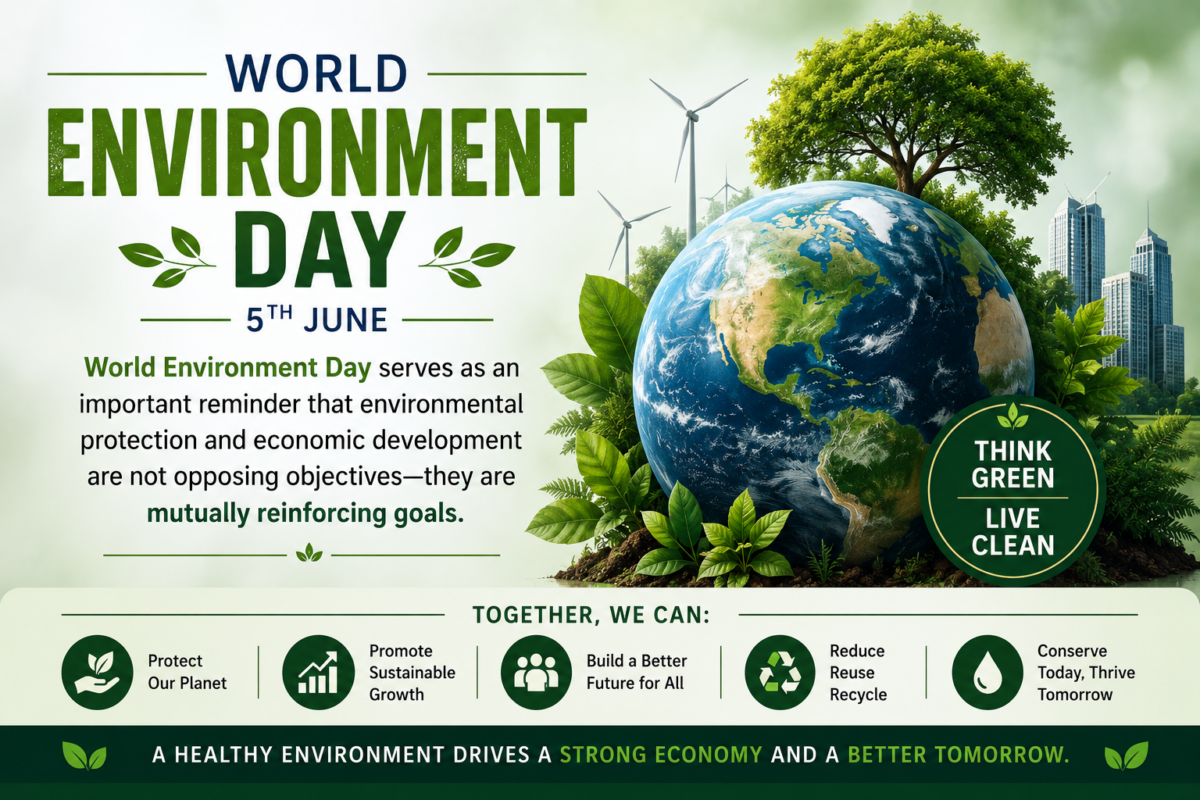
World Environment Day serves as an important reminder that environmental protection and economic development are not opposing objectives—they are mutually reinforcing goals.
At Wambui Gichui & Company Advocates, we advise businesses, developers, investors, institutions, and individuals on environmental, regulatory, and land-use matters. Our team provides practical, commercially focused legal solutions designed to help clients navigate complex regulatory requirements, manage environmental risks, and achieve their objectives with confidence.


